How Italy’s Heat Warnings Shape Daily Life: A Summer Explainer
Italy's daily heat bulletins come in four colours, and they quietly rearrange shop hours, work schedules...

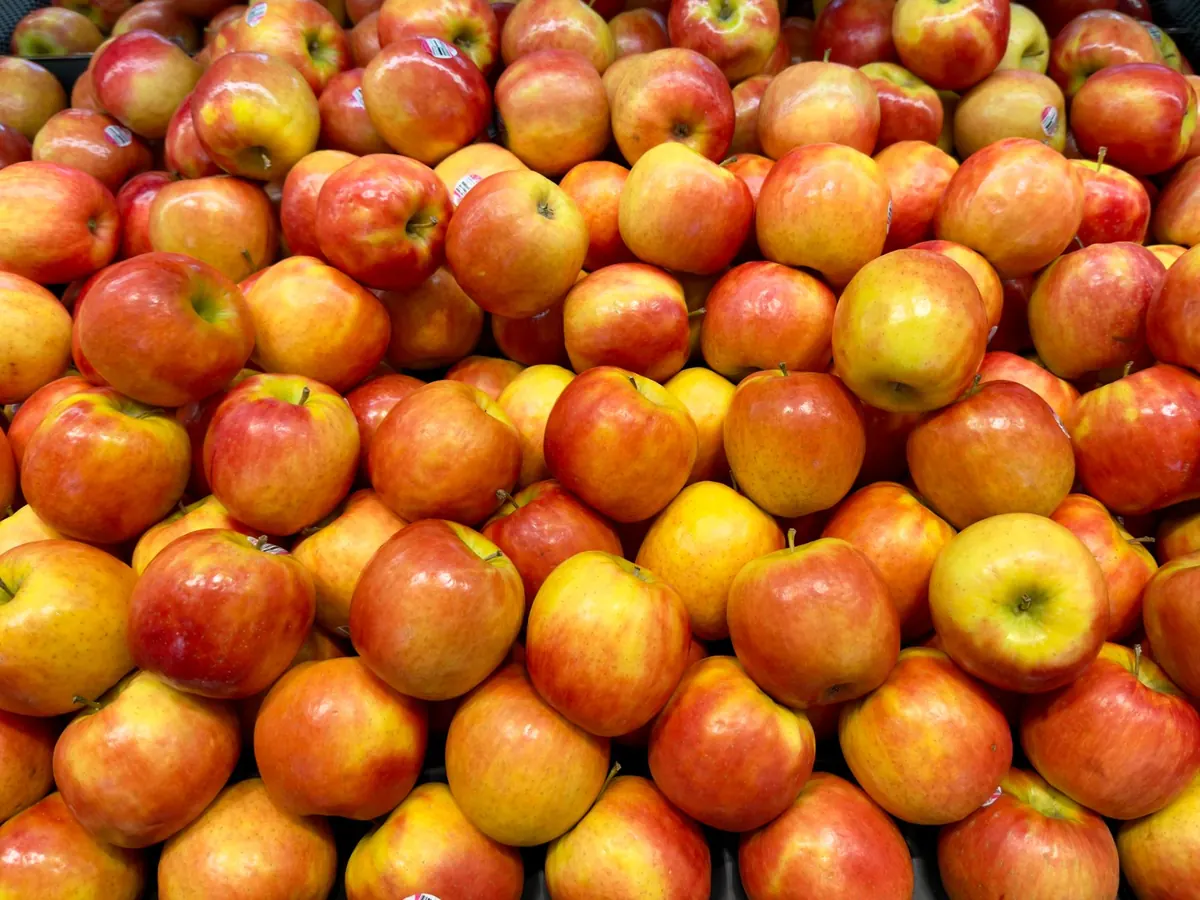
Walk past the same fruit stall in the same town a month apart and you'll see it change shape entirely. In February it is a wall of orange and yellow — citrus piled in wooden crates, apples dull with cold, a few kiwis in a basket by the till. By June the whole thing has turned soft and red and dripping: cherries in shallow boxes, apricots the size of golf balls, melons stacked on the ground because there is no room left on the table. The Italian fruit year is not a smooth curve. It arrives in waves, and the waves are short.
Knowing those waves is the difference between paying a lot for something mediocre and paying less for fruit that tastes like the thing it is supposed to taste like. What follows is a working guide to the Italian fruit calendar, season by season, plus a few habits that will serve you well at any banco in the country.
Italy is a long country, and the season moves up it. Sicilian and Calabrian fruit generally reaches the market two to four weeks before the same fruit from Emilia-Romagna, Veneto or Trentino-Alto Adige. Strawberries from the south may appear in February; the northern ones arrive in April and taste different — often smaller, more perfumed, more expensive.
Two things are worth checking before you buy anything.
First, the crate. Most market vendors leave the original cardboard box or the plastic cassetta under the display, and it usually carries the origin: prodotto italiano, a region, sometimes a protected label such as IGP or DOP. If the box says Spain, Chile, South Africa or Egypt, the fruit is legal, safe and often perfectly good — but it was picked to survive a journey, not to be eaten the day after tomorrow. It will rarely match the local version at its peak.
Second, ask. Di dove sono? and quando sono arrivate? are two ordinary questions that most vendors answer happily. A stallholder who knows the answer is usually a stallholder worth returning to.
Winter is the season people underestimate. From December to February, Italy grows some of the best citrus in Europe, and the cold months also bring the fruit that keeps — apples, pears, kiwi — often at their cheapest and most reliable.
Blood oranges are the highlight. Tarocco and Moro from the plain of Catania are the names to look for: Tarocco is sweeter and paler, Moro is deep crimson with a sharper, almost raspberry edge. The colour depends on cold nights, so the very first ones in November can be disappointingly blond inside. Wait until January if you want the full effect. Choose fruit that feels heavy for its size, with tight, thin skin; a puffy orange has already begun to dry out.
Clementines from Calabria arrive from November, and small mandarins with the leaf still attached are worth the extra coin. Lemons should also feel dense and have a fine-grained skin — a thick, knobbly lemon gives less juice.
The Annurca from Campania is one of the great Italian apples: harvested in autumn, left to soften in the traditional way until the flesh turns crisp and juicy, and sold through the winter. Renetta, Fuji and Golden fill out the rest of the table. Pears such as the Abate are best bought slightly firm and ripened on the kitchen counter, not in the fridge. Kiwi from Lazio and Piedmont is at its best between December and March.
You will still find cachi (persimmons) and pomegranates in December, but they are finishing. By February the stall is mostly citrus, roots and stored fruit — and that is exactly what the cooking of the season expects.
Spring is the season of things that do not travel and do not wait. Buy smaller amounts, more often, and eat them within a day or two.
Southern strawberries come first, sometimes as early as February; northern ones follow from April. Small berries generally beat large ones for flavour. Look for a deep, even colour right up to the stem and a dry, healthy green calyx — a strawberry with a white shoulder was picked too soon.
The cherry season is short and fierce. Vignola in Emilia-Romagna is the name most Italians know, with varieties like Ferrovia — large, firm, dark. A fresh cherry has a green, flexible stem; if the stems are brown and brittle, the fruit has been sitting. Nespole (loquats) appear in April and May, small and apricot-coloured, with a thin skin that bruises if you look at it too long. Apricots follow in May, and the smell at the stem end tells you more than the colour: ripe apricots perfume the whole bag.
Summer is when the stall becomes a full-time job. Peaches, nectarines, plums, melons, watermelons, berries and the first grapes all overlap, and the range narrows week by week as each one peaks and goes.
Flat pesche tabacchiere arrive in June — sweet, easy to eat, and gone by August. For ordinary peaches, judge by smell and touch rather than colour: a peach should give very slightly at the shoulder near the stem, not sink under a fingertip. A hard peach will soften on the counter but will never taste as good as one picked closer to ripe.
For a netted melone retato, smell the blossom end; a ripe one is fragrant and the stem scar is slightly soft. For watermelon, look for the pale cream patch where it rested on the ground (a white or dark patch usually means it was cut early), a dry curly tail, and a heavy feel for its size.
Figs come in two waves: a smaller early crop in June and July, then the main crop from late August into September. They are the most fragile fruit on the stand and should be bought for the same day, with a drop of syrup visible at the eye. Handle them as little as possible.
September and October are the richest months of the year, and the most easily missed because they overlap with everything that came before.
Table grapes peak now: Italia, Vittoria, Red Globe. Lift a bunch by the stem — if berries fall, it is old; the stem should still be green and flexible. Pomegranates should feel heavy and look slightly angular, with leathery rather than glossy skin. Fichi d'India, the prickly pear, appear in late summer; ask the vendor to clean them if you are not practised with them. Cachi return, and there are two kinds: the soft, jelly-like type eaten with a spoon, and the firm vanilla persimmon that slices like an apple. Quinces (mele cotogne) are not for eating raw but make excellent jam. Chestnuts arrive, the new apple and pear crop comes in, and by November the first clementines mark the turn back towards citrus.
Print it, photograph it, or simply keep the shape of it in your head. The best market habit is not memorising a chart but buying less, more often, and letting the stall tell you what week it is. Ask what just arrived, take the vendor's suggestion when it is offered, and taste before you commit to a kilo. The Italian fruit year rewards attention more than planning.
Photo: Joolsmagools ®️ / Pexels
Italy's daily heat bulletins come in four colours, and they quietly rearrange shop hours, work schedules...
A practical, room-by-room guide to sorting waste in an Italian apartment, reading your comune's collection...
Italy runs on two calendars: the national holidays that close banks and schools, and the local saint's day...