How Italy’s Heat Warnings Shape Daily Life: A Summer Explainer
Italy's daily heat bulletins come in four colours, and they quietly rearrange shop hours, work schedules...


The shutters are still down at nine in the morning and someone upstairs is dragging a chair across the floor. You have the keys, a suitcase, and the vague sense that everyone else in the building already knows how Tuesday works. Settling into an Italian neighborhood is less about grand gestures than about a handful of small, repeatable discoveries: which weekday the baker closes, when the pharmacy hands over to its night duty, where the recycling bags actually go. What follows is the order worth working through in your first seven days — the practical version, not the romantic one.
Before you learn the street, learn the stairwell. Whoever hands you the keys — landlord, agent, or the neighbor who has been keeping them — should be able to answer five questions. Where do the bins live, and which days do they go out? Where is the post left when it doesn't fit the box? Where is the water shutoff valve? Who is the building administrator, and how do you reach them? And what do the house rules say about noise, laundry, and the courtyard?
Then read the notice board in the entrance hall. It is the building's newspaper: assembly notices, a plumber's number, a reminder about the boiler inspection. Photograph it. You will want it later, when the name on the paper is the only one you have.
Say hello to the person on the ground floor. In many buildings they take in parcels, know the plumber who actually answers the phone, and can tell you which morning the stairwell gets cleaned. Two minutes on day one saves a week of guessing. And test the citofono before you need it — find out whether the front door needs the key turned twice, and don't let it slam at midnight. The sound carries further than you think.
You do not need to explore the whole quartiere. You need a small set of places, and then to become a regular in three of them.
Go in the morning, on a weekday, when nobody is rushing. Buy something small, then ask: A che ora chiudete? Write the answer down. Independent shops usually take one closing day or half-day a week — the sign is taped to the shutter, sometimes handwritten, sometimes three years old. For anything medical, treat the pharmacist as your first sensible conversation and your doctor as the next one; neither is a substitute for proper advice when something is actually wrong.
In many towns, and in pockets of the bigger cities, a stretch of early afternoon still goes quiet: shutters down from around one until three or four. It varies enormously by street, by region, and by how close you are to a station. Watch for a week before you plan around it, and don't take a closed door personally.
Sundays thin out. Bakeries often open in the morning, bars open for coffee, and the rest depends on where you are — city centers stay livelier than residential streets. Do your first Sunday shop on Saturday and you won't spend the morning walking in circles.
Ask a neighbor or the edicolante which morning the weekly market fills the piazza. That is the day to buy fruit, cheese, and the cheap useful things — cloths, hangers, a broom — that you will otherwise keep postponing. And note August: many family-run businesses close for a week or two around mid-month, announced by a handwritten sign that appears without warning. Stock up before it does.
Codice fiscale, residency registration, the health card, the waste tax, the registered rental contract: these move at the speed of appointments, and each one tends to ask for a document the previous one produced. Begin now. Keep one folder, paper and digital, and scan everything the day you receive it.
Requirements differ from one comune to the next, and anything involving contracts, tax, or legal status deserves a short conversation with a qualified professional — a commercialista, the tax assistance centre at a union, or the comune's own sportello — rather than a guess assembled from forums. Ask what the next step is, then book it before you leave the desk.
Greet people when you enter a small shop: buongiorno until mid-afternoon, buonasera after. A nod is enough in a supermarket. Use the polite form with strangers older than you until they suggest otherwise.
Regularity beats charm. The third time you buy bread, you get a come va? and a comment about the weather. That is the whole mechanism, and it cannot be rushed. Standing at the bar counter for a coffee is the everyday habit; sitting at a table is a different, slower transaction, and both are perfectly normal once you know which one you meant.
Ask a question you genuinely need answered — which stall is good for fish, where to find a decent hardware shop, whether the bus actually runs on Sunday. Taking someone's advice is the thank-you. And when the first coffee is offered, take it.
By day five you should have the rough shape of a week, even if the details are still wrong. A template to adapt:
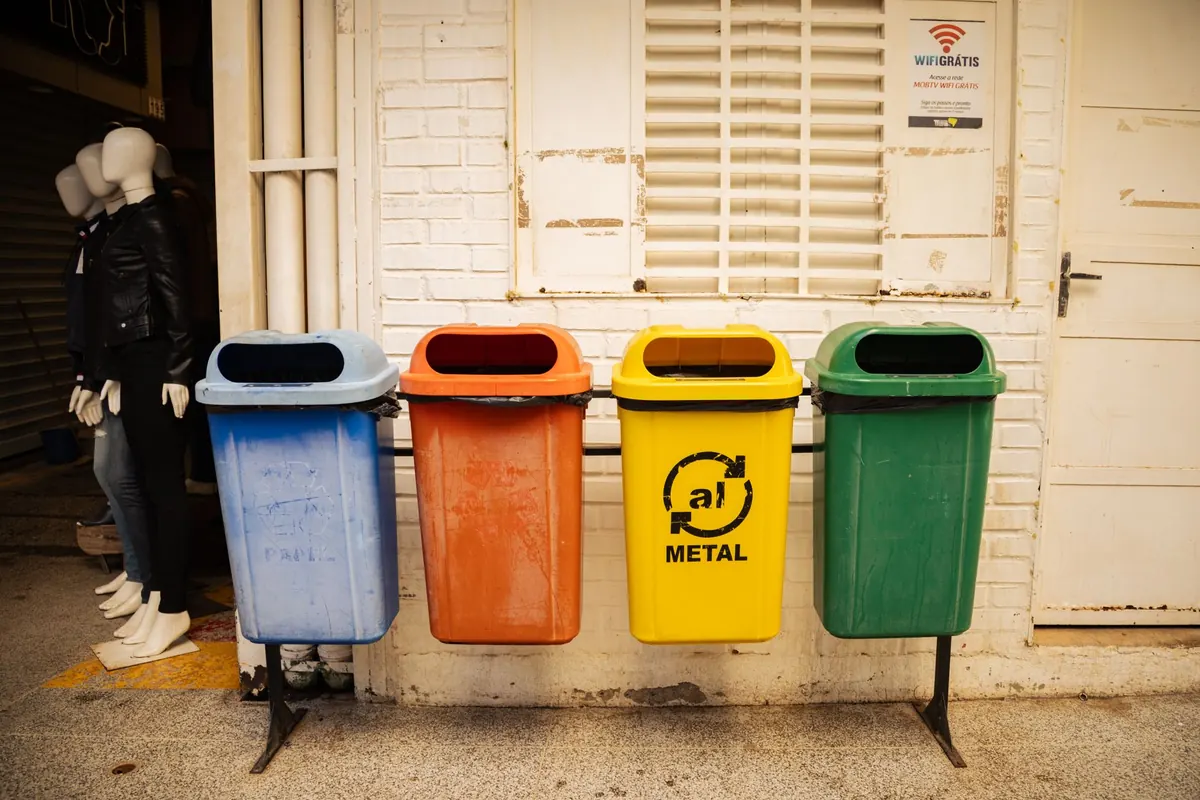
Write the recycling calendar on the inside of a kitchen cupboard door and buy the bags the building actually uses; colours and rules change from one comune to another, and guessing wrong means a bin left full on the pavement. Check the building's line on laundry before you hang sheets off the balcony — many places have an opinion.
None of it is dramatic. But do these eight things and by the second Monday the neighborhood stops being scenery and starts being a place where you know which door to push.
Photo: Pexels / Pixabay
Italy's daily heat bulletins come in four colours, and they quietly rearrange shop hours, work schedules...
A practical, room-by-room guide to sorting waste in an Italian apartment, reading your comune's collection...
Italy runs on two calendars: the national holidays that close banks and schools, and the local saint's day...